Andrew Miller is the International Director for DMI. When he’s not munching on macadamia nuts in Sydney, he’s travelling around the world raising funds and DMI’s profile in developed countries or visiting the fields we support to see what’s needed and how our funds are being managed. Either way, he works tirelessly to avoid unidentifiable food and meets lots of weird and wonderful people who he just can’t resist interviewing…
#17 Kalonga
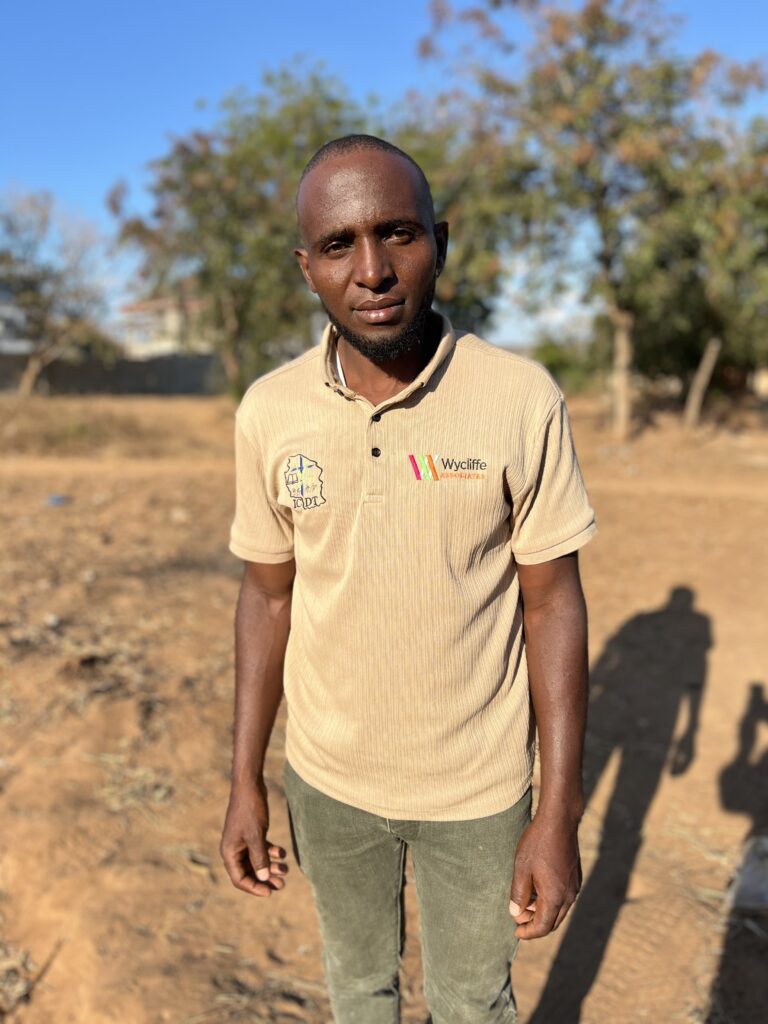
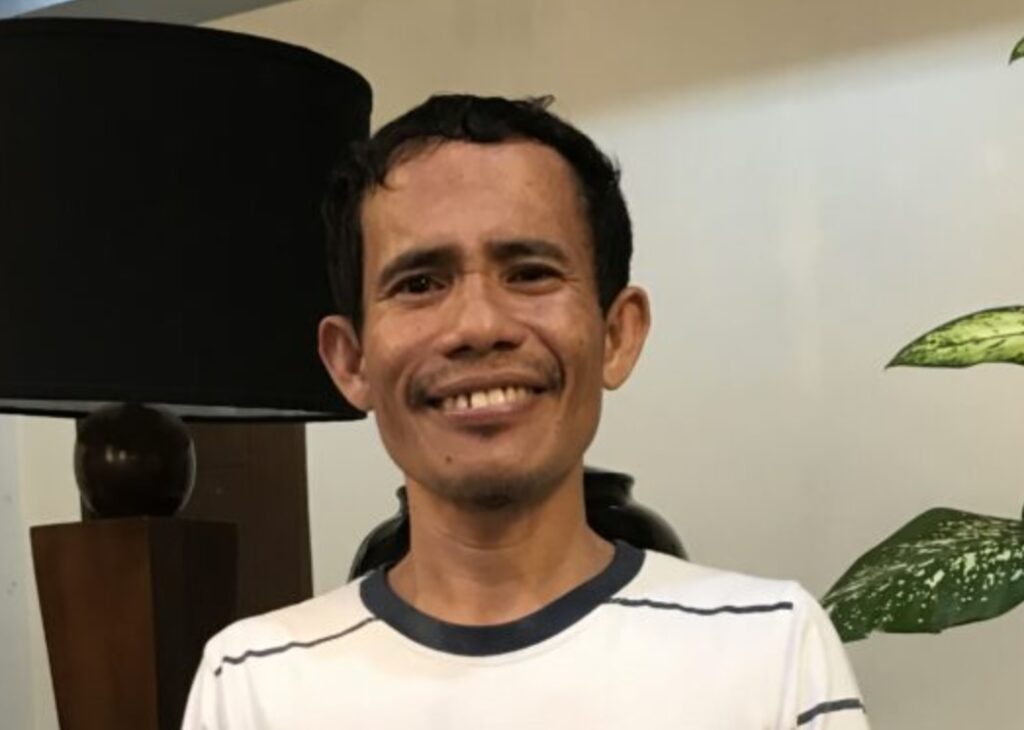
Kalonga Elikana Msigwa is a former Rastafarian turned Christian evangelist. Coming from a broken home and journeying through a dark adolescence, Kalonga’s life in Tanzania has seen a sweeping transformation upon entering the light of the Christian faith. Now he just wants to see others receive the same life and light that he has come to know.
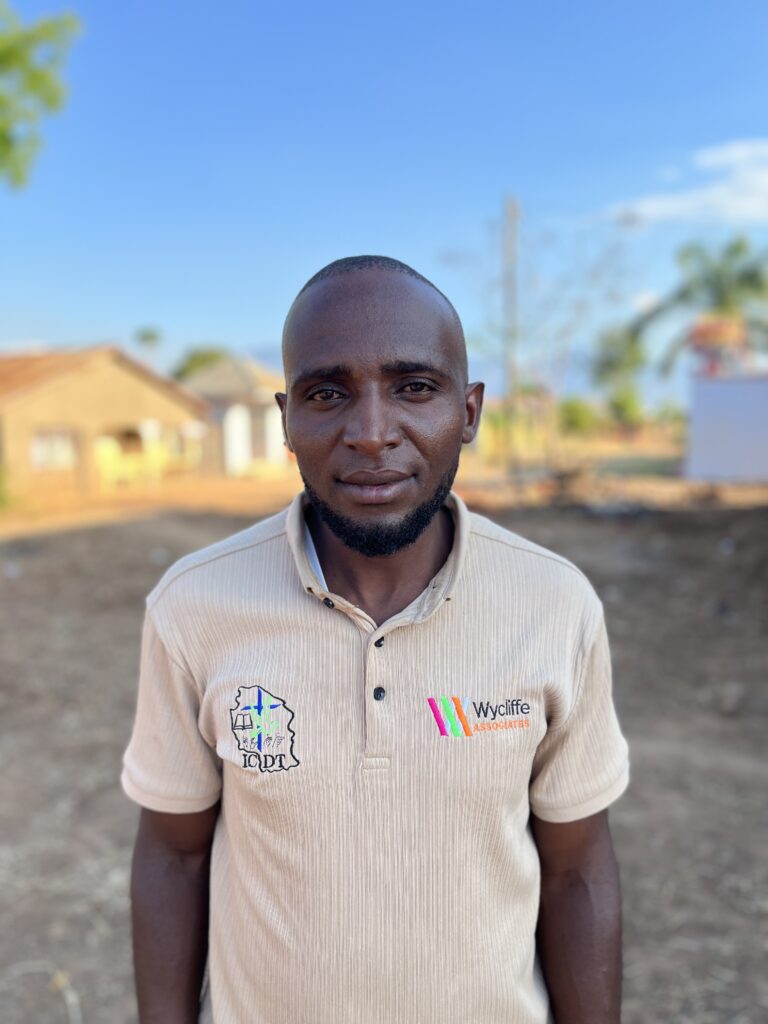
Andrew: I believe you used to be a Rastafarian*, is that right?
* Rastafari is a religious and political movement, begun in Jamaica in the 1930s which combines Protestant Christianity, mysticism, and a pan-African political consciousness. Rituals include prayer services, the smoking of marijuana and all-night drumming ceremonies.
Kalonga: Yes, I was a Rastafarian.
Can you tell me what life was like as a Rastafarian?
When I was a little boy, my Dad and Mum died so I didn’t have much family to care for me. I was okay at first because my uncle introduced me to a guest from Europe who kindly paid for my schooling but unfortunately she was injured in a car accident and her sponsorship ended then. That affected me badly, socially and psychologically. I started to drink beer, smoke weed and got involved in some unhealthy relationships. That’s when I started in the Rastafarian life.
How did you come to Christ?
Tosha and Oscar, who are evangelists from the Immanuel Church of Deaf came to Ifakara and Morogoro – where I was – and explained to me the Word of God.
How did you feel when they first shared the gospel with you?
I was amazed and within days I wanted to be baptised into this new life.
The Rastafarian life and the Christian life are very different. Was it hard to leave one to come to the other or was it an easy transition?
Actually, the Rastafarian life – regardless of how it looked to others on the outside – was hard for me and my transition from that kind of life into the Christian life was a difficult one.
Why was it difficult if the Rastafarian life was so hard for you and the Christian life so appealing?
Because I was addicted. I often felt the need to smoke weed so it was slow journey, but God helped me succeed. Now I don’t drink or smoke at all. That’s not to say it’s easy. Sometimes when I meet people who are drinking, it’s kind of like a trigger for me and the temptation to drink is strong.
When we think of the Christian life and the call to live a holy life, of course we have the Holy Spirit within us but what else did you find most encouraging or what gave you the strength to live a Christian life?
What encourages me the most to live a Christian life is reaching out and helping others who were living in the same way I was before. I want to see them saved and living a better life, a Christian life, just as I have found. Seeing salvations like mine is really encouraging.
How many Rastafarians have you helped lead to Christ?
Three.
And they were all Deaf?
Yes, they were. They were all Deaf.
Let’s talk about your deafness. Were you born deaf?
I wasn’t born deaf, but I became sick after receiving treatment for a spine disease. That’s how I became deaf but I have just a little hearing.
How old were you when you had that treatment and became deaf?
I was five years old.
Did you ever receive any formal education?
Yes, I got a formal education. I studied at my local primary school in Songea [southern Tanzania]. I then studied at Njombe secondary school [about four hours’ drive northwest of Songea].
Were those hearing schools? How did you cope with them?
No, they were Deaf schools.
What is your role in the Deaf Church now?
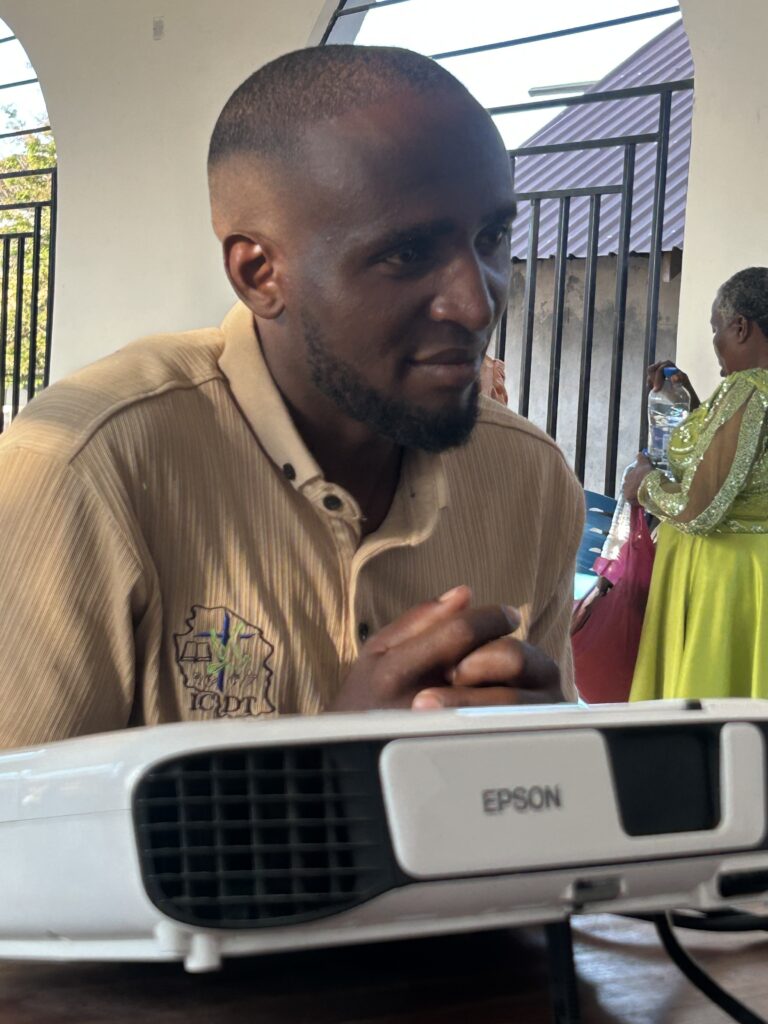
I’m Secretary of the ICDT*-Ubaruku in Morogoro and of the SUN trainings in this region.
* Immanuel Church of the Deaf Tanzania
What do you do as Secretary in the SUN program and what benefits have you seen from the program?
Well, I do secretarial duties for the SUN program in Morogoro, but also I’m a teacher of the program, too. Through my classes for SUN, I see the children finding real joy personally but I’m the one who finds joy when I see the benefit the students get. Leading other people to salvation is the greatest reward that I can get.
How many people have you taught through the SUN program?
I teach at two different schools and in each school I teach at least five children. But I also teach the SUN program on the streets of Morogoro – wherever there is need.
How do you get from school to school?
By bicycle.
And I’ve heard that you do some other work too, is that right?
Yes, I do some teaching at primary schools, spreading the gospel. I’m also a rice farmer.
With your farming, do you focus solely on rice or do you grow other crops as well?
Only rice. I like rice.
What do you think of ugali?
I don’t like it.
Oh good. Me neither. I thought it was just me. Can you tell me a little bit more about your family? You mentioned that your parents died when you were young. Do you have brothers and sisters?
I have three brothers.
And are you married? Do you have your own family now?
I’m engaged.
Congratulations! What’s her name?
Her name is Sophie Joanna.
When are you getting married?
We haven’t set a date yet but very soon – possibly next year.
Thank you for your time today and for sharing your life with me so openly. I hope you continue to see real fruit from your evangelical work and that your marriage is truly blessed.
You’re so welcome. Thank you.
~
If you would like to support Kalonga or any of DMI’s pastors, schools or projects please go to https://deafmin.org/donate/ or click on the ‘Donate’ button below.
What an inspiring story about Kalonga. I hope continues to help and inspire others.